
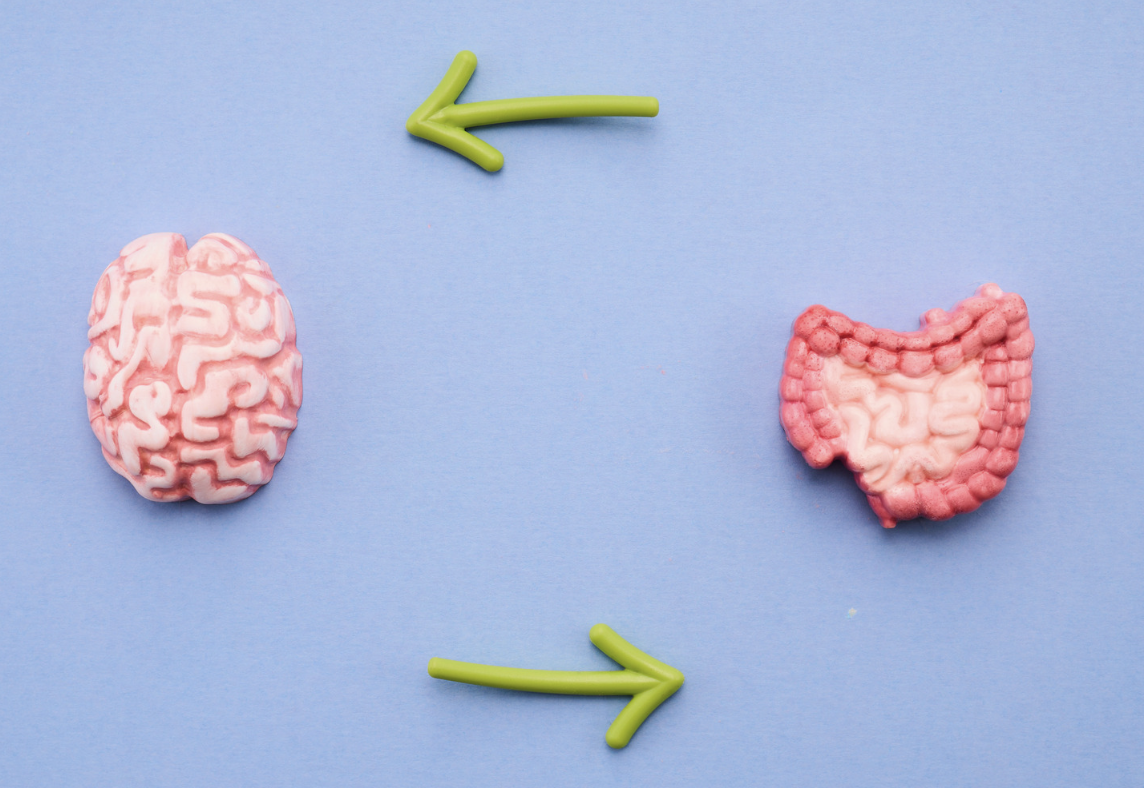
The idea that the gut and brain communicate is not new. Stress can produce nausea, alter bowel habits, and change appetite, while gastrointestinal discomfort can influence sleep, concentration, and emotional well-being. What has changed is our understanding of the microorganisms that inhabit the gastrointestinal tract and their potential participation in this communication.
The gut microbiome consists of bacteria, archaea, viruses, fungi, and their collective genetic material. These organisms interact with food, medications, the intestinal lining, and the immune system. Through these interactions, they generate metabolites and biological signals that may influence organs far beyond the digestive tract. This communication network is known as the microbiota–gut–brain axis. It includes the nervous, immune, endocrine, and metabolic systems and operates in both directions. Gut microbes may influence neural and hormonal signaling, while psychological stress, sleep, diet, and brain activity can alter intestinal function and the microbial environment.
Animal research provides convincing evidence that the microbiome can influence stress responses and behavior. Human studies increasingly identify associations between microbial patterns and conditions such as depression, anxiety, and cognitive decline. However, translating these findings into clinical treatments remains challenging. The gut microbiome appears to participate in brain health but it is not yet possible to define one ideal “mental-health microbiome” or prescribe a universal probiotic for mood or cognition.
A Communication Network, Not a Single Pathway
The gut and brain communicate through several overlapping systems:
- The vagus nerve and enteric nervous system
- Microbial metabolites
- Immune and inflammatory signaling
- Stress hormones and the hypothalamic–pituitary–adrenal axis
- Tryptophan and neurotransmitter-related pathways
- Gut hormones
- Intestinal and blood–brain barrier regulation
These mechanisms do not function independently. A microbial metabolite may influence immune cells, stimulate an intestinal nerve, alter gut-hormone release, and affect the availability of a neurotransmitter precursor at the same time. This complexity is one reason the field is promising and why simple claims such as “one bacterium produces happiness” are scientifically misleading.
Microbial Metabolites: Chemical Messages From the Gut
Gut microbes transform dietary components and host-secreted substances into thousands of metabolites. Some act primarily within the intestine, while others enter the circulation and may influence distant tissues.
Short-chain fatty acids
- Short-chain fatty acids, or SCFAs, are among the most extensively studied microbial metabolites. The primary SCFAs are:
- Acetate
- Propionate
- Butyrate
- They are produced when intestinal bacteria ferment dietary fibers and resistant starches.
- Butyrate is an important energy source for colon cells and supports the intestinal barrier. SCFAs can also interact with immune cells, enteroendocrine cells, and G-protein-coupled receptors involved in metabolism and inflammation.
Experimental evidence suggests that SCFAs may influence:
- Intestinal-barrier integrity
- Immune regulation
- Microglial development and activity
- Blood–brain barrier function
- Gut-hormone release
- Tryptophan metabolism
- Stress-related signaling
However, the effects are not universally beneficial. Outcomes may vary according to the specific SCFA, its concentration, the location in which it is produced, the person’s health status, and the surrounding microbial ecosystem. Stool SCFA measurements also provide an incomplete picture because they reflect both microbial production and the amount absorbed or used within the intestine.
Tryptophan metabolites
- Tryptophan is an essential amino acid that can enter several metabolic pathways. It may be used to synthesize serotonin, converted through the kynurenine pathway, or metabolized by intestinal microbes into indole derivatives.
- Some microbial indoles interact with the aryl hydrocarbon receptor, a signaling system involved in immunity, intestinal-barrier maintenance, and inflammation. Other tryptophan metabolites may influence neural function indirectly through immune or endocrine pathways.
- Inflammation can shift tryptophan metabolism toward the kynurenine pathway. Some kynurenine metabolites have neuroactive or potentially neurotoxic properties, while others may be protective. This pathway has been investigated in depression and neurodegenerative disease, but its regulation is influenced by far more than the microbiome alone.
- Dietary protein, immune activation, genetics, liver metabolism, medication use, and the composition of the microbial community all contribute.
Bile acids
- The liver produces primary bile acids, which are released into the intestine to support fat digestion. Gut microbes convert some of these compounds into secondary bile acids.
- Bile acids also function as signaling molecules. By interacting with receptors such as FXR and TGR5, they can influence glucose metabolism, immune activity, intestinal motility, and inflammatory signaling. Altered bile-acid metabolism has been investigated in metabolic disease and neurological conditions, but most mechanistic evidence remains preclinical.
Other microbial products
The microbiome can also produce or influence:
- Lactate
- Succinate
- Phenolic compounds
- Polyamines
- Trimethylamine
- Vitamins
- Neurotransmitter-related molecules
- Lipopolysaccharide and other structural microbial components
These compounds may have beneficial, neutral, or detrimental effects depending on dose and context. Microbial metabolism is not automatically health-promoting simply because it is “natural.”
Inflammation: When Gut Signals Reach the Immune System
The gastrointestinal tract contains one of the body’s largest concentrations of immune cells. This is necessary because the intestine must tolerate food and beneficial microorganisms while remaining prepared to respond to pathogens.
A healthy intestinal barrier regulates which microbial molecules cross from the gut into the circulation. When barrier function is impaired, microbial components may interact more extensively with immune cells and contribute to systemic inflammatory signaling.
Lipopolysaccharide, or LPS, is a component of the outer membrane of certain bacteria. Experimental exposure to LPS can stimulate inflammatory cytokines. Persistent low-grade inflammation has been associated with depression, cognitive impairment, and neurodegenerative disease in some populations.
Inflammatory mediators may influence the brain by:
- Signaling through the vagus nerve
- Interacting with cells at the blood–brain barrier
- Acting through brain regions with more permeable vascular interfaces
- Influencing tryptophan and kynurenine metabolism
- Modulating microglial activity
- Altering neurotransmitter synthesis or receptor function
Microglia are immune-related cells that help maintain the brain’s environment and participate in synaptic remodeling. Chronic or inappropriate microglial activation is being investigated in depression, Alzheimer’s disease, Parkinson’s disease, and other neurological conditions.
Animal models strongly support links among microbial changes, immune activity, and brain function. Human evidence is less definitive. Inflammation may alter the microbiome, the microbiome may influence inflammation, or both may result from shared factors such as diet, obesity, infection, medication use, poor sleep, or chronic stress.
The Vagus Nerve: A Rapid Signaling Route
The vagus nerve is a major communication pathway connecting the brain with the heart, lungs, and gastrointestinal tract. Most vagal fibers carry information from the organs toward the brain, making the vagus an important sensory route.
Gut microbes do not generally make direct physical contact with vagal nerve endings. Instead, microbial metabolites and intestinal signals may stimulate:
- Enteroendocrine cells
- Enteric neurons
- Immune cells
- Gut-hormone release
- Receptors located near vagal afferent fibers
Animal studies provide some of the strongest evidence for vagal involvement. In a frequently cited mouse study, administration of a specific Lactobacillus strain changed emotional behavior and GABA-receptor expression. These effects were absent after the vagus nerve was severed, suggesting that vagal signaling was required.
This does not mean the same strain will treat anxiety or depression in humans. The microbial strain, animal model, dose, and laboratory environment all affect the result. Surgical vagotomy experiments can establish mechanisms in animals that cannot be replicated ethically in healthy human participants. Human studies can measure indicators such as heart-rate variability as indirect estimates of autonomic activity, but these measures are influenced by breathing, physical fitness, medication use, age, and cardiovascular health. Directly proving that a specific microbe changed human mood through the vagus nerve remains difficult.
Neurotransmitters: An Important but Often Oversimplified Story
Certain gut bacteria can produce or influence molecules associated with neurotransmission, including:
- Gamma-aminobutyric acid, or GABA
- Serotonin
- Dopamine
- Norepinephrine
- Acetylcholine
- Glutamate
This has led to popular claims that gut bacteria directly manufacture the chemicals responsible for happiness, motivation, or calm. The biology is not that simple. Most serotonin in the body is produced in the gastrointestinal tract, primarily by enterochromaffin cells rather than by neurons. Gut microbes can influence this production. However, peripheral serotonin does not freely cross the blood–brain barrier and therefore does not directly replenish serotonin in the brain.
Instead, gut-derived serotonin can affect:
- Intestinal motility
- Platelet function
- Immune activity
- Vagal and enteric signaling
- Metabolic regulation
Similarly, bacterially produced GABA or dopamine may act locally in the gut or influence neural signaling indirectly. Whether meaningful quantities reach the brain is uncertain. The microbiome may have a more plausible influence on central neurotransmission by modifying precursor availability, immune activity, endocrine signaling, and tryptophan metabolism rather than by sending large amounts of ready-made neurotransmitters directly into the brain.
Stress Changes the Gut Too
The gut–brain axis is bidirectional. It is not simply a pathway through which gut microbes control the brain.
Psychological and physical stress activate the hypothalamic–pituitary–adrenal, or HPA, axis. This produces cortisol and other stress-related signals that can alter:
- Gastrointestinal motility
- Intestinal secretions
- Mucus production
- Immune function
- Barrier integrity
- Appetite and food choices
- The intestinal environment in which microbes live
Stress may therefore change microbial composition or activity. Sleep disruption, reduced exercise, altered eating patterns, alcohol use, and medications taken during stressful periods can also influence the microbiome.
This creates a feedback loop:
- Stress changes intestinal physiology and behavior.
- The intestinal environment and microbiome change.
- Microbial and immune signals may influence stress responsiveness.
- Further changes in sleep, mood, and eating behavior may reinforce the cycle.
Animal research suggests that early-life microbial exposure helps shape HPA-axis development. Germ-free animals often display abnormal stress responses that can sometimes be partially corrected through microbial colonization. Whether the same developmental effects occur to a clinically significant degree in humans is still under investigation.
What Does Human Research Show About Mood?
Human studies have identified differences in gut microbial composition between people with and without depression. However, no single microbial signature has been consistently identified across all populations. A large microbiome-wide association study examined participants from the Rotterdam Study and replicated findings in the Amsterdam HELIUS cohort. Lower microbial diversity was associated with greater depressive symptoms, and several bacterial genera showed consistent associations across cohorts.
Some of the identified organisms participate in pathways involving butyrate, glutamate, GABA, or serotonin-related metabolism. Nevertheless, the differences explained only a small proportion of variation in depressive symptoms.
Other challenges include:
- Depression encompasses biologically different subtypes.
- Antidepressants can affect the microbiome.
- Depression may change appetite and dietary intake.
- Sleep, exercise, smoking, and alcohol influence both mood and microbes.
- Gastrointestinal symptoms may affect mental health.
- Microbial patterns differ across geography and ethnicity.
These studies establish an association, not a one-directional cause.
Can Depressive Features Be Transferred Through the Microbiome?
Several experiments have transplanted fecal microbiota from people with depression into germ-free or antibiotic-treated rodents. Some recipient animals subsequently developed changes interpreted as depression-like or anxiety-like behavior. These experiments are important because they suggest that components of a depression-associated microbiome can influence animal behavior under specific conditions.
But important limitations remain:
- Rodent behavior is not equivalent to human depression.
- Germ-free animals have atypical immune and neurological development.
- Human microbes do not always colonize rodents normally.
- Donors may differ in diet, medication use, and metabolic health.
- Fecal transplantation transfers viruses, fungi, metabolites, and other biological material—not only bacteria.
- Results vary among donors and laboratories.
These experiments provide mechanistic evidence, but they do not prove that microbiome disruption is a primary cause of depression in humans.
Psychobiotics: Promise Without a Universal Prescription
The term psychobiotic generally refers to a probiotic, prebiotic, or other microbiome-targeted intervention proposed to benefit mental health. A 2025 systematic review and meta-analysis of randomized trials found that probiotic supplementation reduced symptoms of depression and anxiety in clinically diagnosed populations over interventions lasting up to approximately eight weeks. Prebiotics showed a nonsignificant trend rather than a clear effect
These findings are encouraging, but they should be interpreted cautiously because the trials varied in:
- Probiotic species and strains
- Dose and formulation
- Treatment duration
- Participant diagnoses
- Baseline diet
- Concurrent medication
- Outcome measures
- Study quality
Probiotic effects are strain-specific. Evidence for one strain cannot automatically be applied to another product containing a different organism, dose, or combination. Publication bias is also possible, and many trials are small or short. Few studies have established that symptom improvements are directly mediated by measurable microbiome changes. Probiotics may eventually become useful adjuncts for selected patients, but current evidence does not support replacing psychotherapy, medication, or professional mental-health care with an over-the-counter probiotic.
Diet, the Microbiome, and Mental Health
Diet is one of the most accessible ways to influence microbial metabolism. Dietary fiber provides substrates for microbial fermentation and SCFA production, while plant foods provide polyphenols that microbes can transform into bioactive compounds.
Foods that may support a diverse microbial ecosystem include:
- Vegetables
- Fruit
- Beans and lentils
- Whole grains
- Nuts and seeds
- Fermented foods
- A variety of plant-based fibers
Randomized trials have found that Mediterranean-style dietary interventions can improve depressive symptoms in some participants. In the SMILES trial, adults with moderate-to-severe depression who received structured dietary support experienced greater symptom improvement than those receiving a social-support intervention.
However, this does not prove that the microbiome caused the improvement. A Mediterranean-style diet also changes:
- Micronutrient intake
- Omega-3 fatty-acid intake
- Glycemic exposure
- Inflammatory potential
- Energy balance
- Social engagement
- Cooking behavior
- Expectations surrounding treatment
The microbiome may be one mediator among many. A diverse, fiber-rich diet can be recommended for general health without claiming that it will treat a psychiatric disorder. People with irritable bowel syndrome, inflammatory bowel disease, food intolerances, or other gastrointestinal conditions may require individualized approaches to fiber and fermented foods.
The Evidence for Cognition Is Less Developed
Microbiome research has expanded into cognitive aging, Alzheimer’s disease, Parkinson’s disease, and other neurological conditions. Researchers have reported differences in microbial communities and metabolites among affected individuals.
Proposed mechanisms include:
- Systemic inflammation
- Microglial activation
- Altered SCFA production
- Changes in bile-acid metabolism
- Impaired intestinal-barrier function
- Altered amyloid or protein-folding pathways
- Changes in metabolic and vascular health
Animal studies show that microbiome manipulation can affect learning, memory, neuroinflammation, and disease-related pathology. Human studies, however, are primarily observational.
Neurological disease itself can alter the microbiome through:
- Changes in movement and exercise
- Constipation
- Difficulty chewing or swallowing
- Modified dietary patterns
- Medication use
- Institutional living
- Reduced independence
- Disease-related changes in gastrointestinal motility
In Parkinson’s disease, for example, constipation may begin years before motor symptoms. This makes the gut biologically relevant, but it also complicates determining whether microbial changes contribute to disease, result from early disease processes, or both. At present, microbiome profiles cannot reliably diagnose cognitive decline or determine which individual will develop dementia. Microbiome-targeted interventions should not be presented as established methods for preventing or treating neurodegenerative disease.
Fecal Microbiota Transplantation Requires Caution
Fecal microbiota transplantation, or FMT, can produce dramatic changes in the intestinal microbial ecosystem. It is an established treatment in specific clinical circumstances, particularly certain cases of recurrent Clostridioides difficileinfection. Small and early-stage studies are investigating FMT for depression and other neuropsychiatric conditions. A preliminary 2026 randomized study involving 46 adults reported greater improvement when FMT was added to standard medication for depressive episodes. The small sample, brief evaluation period, and need for replication mean that this should be considered preliminary evidence.
FMT carries risks, including transmission of infectious organisms or antibiotic-resistance genes. Donor screening reduces but does not eliminate these risks. FMT should not be attempted outside an appropriately regulated clinical setting. The existence of early trials does not make commercial or do-it-yourself transplantation safe or evidence-based.
Why Human Microbiome Research Is So Difficult
The human microbiome is highly variable and responds to many exposures:
- Habitual diet
- Recent meals
- Age
- Genetics
- Geography
- Medication use
- Antibiotics
- Gastrointestinal transit time
- Sleep
- Physical activity
- Hormonal status
- Illness
- Stress
- Socioeconomic conditions
A stool sample primarily represents microorganisms and metabolites present in fecal material. It does not fully capture organisms attached to the intestinal lining or activity in different regions of the digestive tract.
Additional limitations include:
- Association does not establish direction
- A microbial change may contribute to a symptom, result from the symptom, or reflect a third factor influencing both.
- Taxonomy does not equal function
-
- Two people may carry different bacterial species that perform similar metabolic functions. Conversely, strains within the same species can have different biological effects.
- Relative abundance can be misleading
-
- An apparent increase in one organism may result from a decrease in another rather than a true increase in microbial quantity.
- Animal findings may not translate
-
- Germ-free mice are powerful research models but have immune, metabolic, and neurological features that differ from conventionally raised animals and humans.
- Interventions are heterogeneous
-
- Two probiotic products may differ in strain, viability, dose, delivery system, and storage. Results from one cannot be generalized to all probiotics.
- Mental-health conditions are heterogeneous
- Depression, anxiety, chronic stress, and cognitive impairment have multiple biological and psychosocial pathways. The microbiome is unlikely to explain every case.
What Can Be Said With Confidence?
Current evidence supports several conclusions:
- The gut and brain communicate bidirectionally through neural, immune, endocrine, and metabolic pathways.
- Gut microbes produce metabolites capable of influencing intestinal, immune, and possibly neural function.
- Animal studies demonstrate that microbiome manipulation can affect stress responses and behavior.
- Human microbiome patterns are associated with depression, stress-related conditions, and cognitive disorders.
- Some probiotic and dietary interventions show modest mental-health benefits in clinical trials.
- No single microbial profile defines depression, anxiety, or cognitive decline.
- Most human evidence does not yet establish that microbiome changes cause these conditions.
- Microbiome interventions are not replacements for established mental-health or neurological care.
The Future of Gut–Brain Research
The next phase of research must move beyond lists of bacteria and focus more closely on microbial function.
Important priorities include:
- Larger, longer randomized controlled trials
- Standardized sampling and laboratory methods
- Strain-level microbial analysis
- Direct measurement of metabolites
- Integration of microbiome, immune, dietary, and neurological data
- Diverse populations across geographic and ethnic groups
- Studies establishing whether microbiome changes mediate clinical improvement
- Identification of responders and nonresponders
- Long-term safety evaluation of microbiome interventions
- Differentiation among subtypes of depression and cognitive disease
The gut–brain axis is biologically real, but it is not a simple remote-control system through which bacteria dictate emotion or thought. It is a dynamic network in which microbes, diet, immunity, stress, medication, behavior, and the nervous system continually influence one another. The most scientifically accurate conclusion is therefore neither that the microbiome controls mental health nor that it is irrelevant. The microbiome appears to be one contributor within a much larger system. Understanding that system may eventually produce more precise tools for supporting mood, stress resilience, and cognition. For now, microbiome science offers a promising framework not a universal explanation or a stand-alone cure.
Disclaimer: This article is intended for scientific and educational purposes only. It does not provide individualized medical, psychiatric, neurological, or nutritional advice. Changes in mood, severe anxiety, cognitive decline, or thoughts of self-harm require evaluation by a qualified healthcare professional. Probiotics, dietary changes, and other microbiome-focused approaches should not replace established mental-health or neurological treatment.
References
Asad, A., Kirk, M., Zhu, S., Dong, X., & Gao, M. (2025). Effects of Prebiotics and Probiotics on Symptoms of Depression and Anxiety in Clinically Diagnosed Samples: Systematic Review and Meta-analysis of Randomized Controlled Trials. Nutrition reviews, 83(7), e1504–e1520. https://doi.org/10.1093/nutrit/nuae177
Bosch, J. A., Nieuwdorp, M., Zwinderman, A. H., Deschasaux, M., Radjabzadeh, D., Kraaij, R., Davids, M., de Rooij, S. R., & Lok, A. (2022). The gut microbiota and depressive symptoms across ethnic groups. Nature communications, 13(1), 7129. https://doi.org/10.1038/s41467-022-34504-1
Bravo, J. A., Forsythe, P., Chew, M. V., Escaravage, E., Savignac, H. M., Dinan, T. G., Bienenstock, J., & Cryan, J. F. (2011). Ingestion of Lactobacillus strain regulates emotional behavior and central GABA receptor expression in a mouse via the vagus nerve. Proceedings of the National Academy of Sciences of the United States of America, 108(38), 16050–16055. https://doi.org/10.1073/pnas.1102999108
Cryan, J. F., O’Riordan, K. J., Cowan, C. S. M., Sandhu, K. V., Bastiaanssen, T. F. S., Boehme, M., Codagnone, M. G., Cussotto, S., Fulling, C., Golubeva, A. V., Guzzetta, K. E., Jaggar, M., Long-Smith, C. M., Lyte, J. M., Martin, J. A., Molinero-Perez, A., Moloney, G., Morelli, E., Morillas, E., . . . Dinan, T. G. (2019). The microbiota-gut-brain axis. Physiological Reviews, 99(4), 1877–2013. https://doi.org/10.1152/physrev.00018.2018
Dalile, B., Van Oudenhove, L., Vervliet, B., & Verbeke, K. (2019). The role of short-chain fatty acids in microbiota-gut-brain communication. Nature reviews. Gastroenterology & hepatology, 16(8), 461–478. https://doi.org/10.1038/s41575-019-0157-3
Jacka, F. N., O’Neil, A., Opie, R., Itsiopoulos, C., Cotton, S., Mohebbi, M., Castle, D., Dash, S., Mihalopoulos, C., Chatterton, M. L., Brazionis, L., Dean, O. M., Hodge, A. M., & Berk, M. (2017). A randomised controlled trial of dietary improvement for adults with major depression (the ‘SMILES’ trial). BMC Medicine, 15, Article 23. https://doi.org/10.1186/s12916-017-0791-y
Kelly, J. R., Borre, Y., O’ Brien, C., Patterson, E., El Aidy, S., Deane, J., Kennedy, P. J., Beers, S., Scott, K., Moloney, G., Hoban, A. E., Scott, L., Fitzgerald, P., Ross, P., Stanton, C., Clarke, G., Cryan, J. F., & Dinan, T. G. (2016). Transferring the blues: Depression-associated gut microbiota induces neurobehavioural changes in the rat. Journal of psychiatric research, 82, 109–118. https://doi.org/10.1016/j.jpsychires.2016.07.019
Knudsen, J. K., Michaelsen, T. Y., Bundgaard-Nielsen, C., Nielsen, R. E., Hjerrild, S., Leutscher, P., Wegener, G., & Sørensen, S. (2021). Faecal microbiota transplantation from patients with depression or healthy individuals into rats modulates mood-related behaviour. Scientific reports, 11(1), 21869. https://doi.org/10.1038/s41598-021-01248-9
Loh, J. S., Mak, W. Q., Tan, L. K. S., Ng, C. X., Chan, H. H., Yeow, S. H., Foo, J. B., Ong, Y. S., How, C. W., & Khaw, K. Y. (2024). Microbiota–gut–brain axis and its therapeutic applications in neurodegenerative diseases. Signal Transduction and Targeted Therapy, 9, Article 37. https://doi.org/10.1038/s41392-024-01743-1
Mosquera, F. E. C., Lizcano Martinez, S., & Liscano, Y. (2024). Effectiveness of Psychobiotics in the Treatment of Psychiatric and Cognitive Disorders: A Systematic Review of Randomized Clinical Trials. Nutrients, 16(9), 1352. https://doi.org/10.3390/nu16091352
Radjabzadeh, D., Bosch, J. A., Uitterlinden, A. G., Zwinderman, A. H., Ikram, M. A., van Meurs, J. B. J., Luik, A. I., Nieuwdorp, M., Lok, A., van Duijn, C. M., Kraaij, R., & Amin, N. (2022). Gut microbiome-wide association study of depressive symptoms. Nature Communications, 13, Article 7128. https://doi.org/10.1038/s41467-022-34502-3
Wang, L., Zhang, S., Liu, Y., Li, D., Tian, G., Li, X., & Li, Y. (2026). A study on the efficacy and safety of fecal microbiota transplantation as an adjunctive therapy for treating depressive episodes. Scientific reports, 16(1), 13417. https://doi.org/10.1038/s41598-026-41801-y