Ultra-processed foods have become one of the most debated subjects in nutrition science. They are frequently blamed for obesity, diabetes, cardiovascular disease, gastrointestinal disorders, and even poor mental health. Yet the scientific question is more complicated than whether a food has simply been “processed.” Nearly all foods undergo some form of processing. Washing, freezing, fermenting, pasteurizing, milling, canning, and cooking can improve safety, digestibility, nutrient availability, shelf life, or convenience. Processing can also produce affordable fortified foods that help people meet nutritional needs.
The concern surrounding ultra-processed foods, or UPFs, involves a different type of processing: the industrial restructuring of foods into products that are often soft, rapidly consumed, energy-dense, intensely flavored, convenient, and designed for a long shelf life. Many contain refined food components and additives that would not typically be used in home cooking. But is industrial processing itself harmful? Or does the real problem lie in how processing changes the food matrix, eating rate, energy density, palatability, nutrient composition, and the foods that these products displace?
Current research suggests that there is probably no single explanation. The health effects associated with ultra-processed diets appear to emerge from a collection of interacting factors rather than from “processing” as one uniform exposure.
What Is an Ultra-Processed Food?
The most widely used system for defining ultra-processed foods is NOVA. It divides foods into four groups:
- Unprocessed or minimally processed foods
- Processed culinary ingredients
- Processed foods
- Ultra-processed foods
Under NOVA, ultra-processed foods are generally industrial formulations produced from refined or extracted food substances. They may contain colors, flavors, emulsifiers, sweeteners, thickeners, stabilizers, modified starches, protein isolates, or other ingredients rarely found in a domestic kitchen.
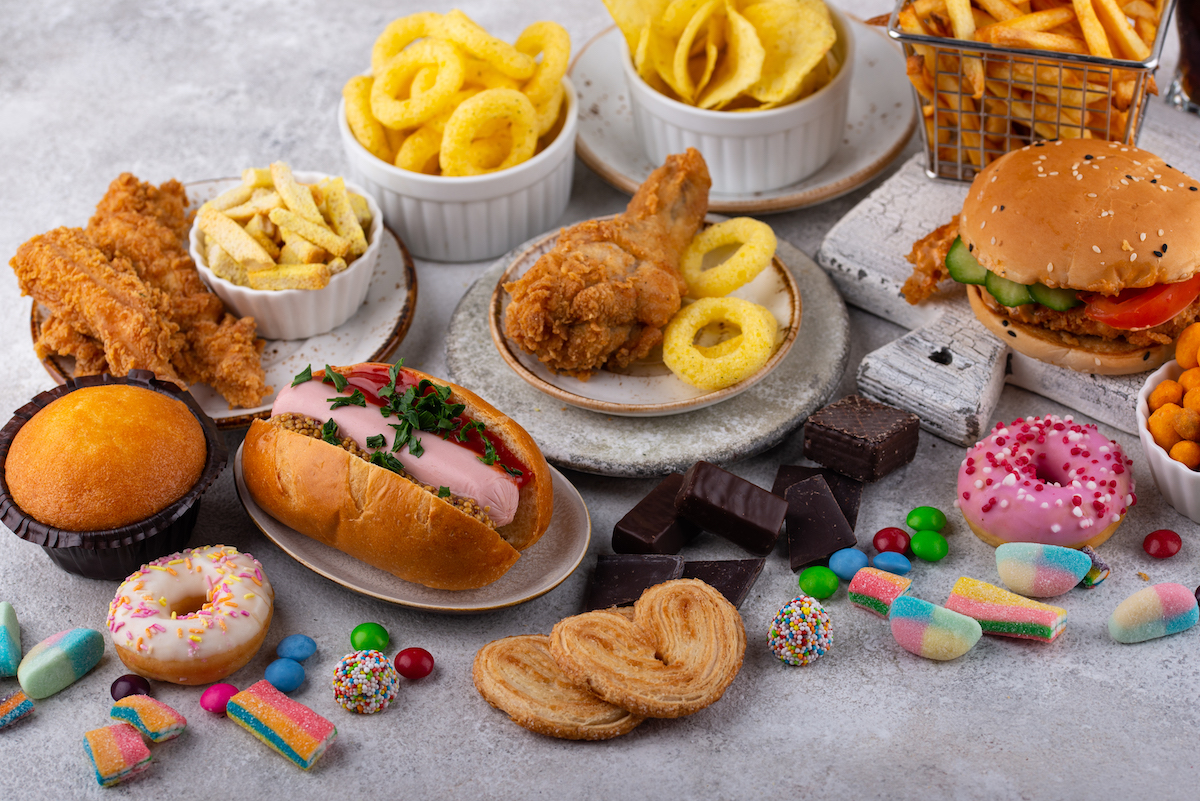
Common examples include:
- Sugar-sweetened beverages
- Packaged snack cakes and cookies
- Candy
- Instant noodles
- Many frozen meals
- Sweetened breakfast cereals
- Reconstituted meat products
- Certain flavored yogurts
- Packaged breads containing emulsifiers or other industrial additives
- Protein bars and meal-replacement products
- Some fortified plant-based foods
This range illustrates one of the central problems with the UPF category. A soft drink, a whole-grain packaged bread, a fortified breakfast cereal, and a high-protein meal replacement may all be classified as ultra-processed despite having very different nutritional profiles and likely health effects. The classification identifies a pattern of industrial formulation, but it does not automatically tell us whether an individual food is nutritionally poor.
The Evidence Linking UPFs to Health Outcomes
Numerous observational studies associate higher UPF consumption with increased risks of obesity, type 2 diabetes, cardiovascular disease, depression, and premature mortality. A 2024 umbrella review published in The BMJ examined 45 meta-analyses involving nearly 10 million participants. Greater UPF exposure was associated with numerous adverse outcomes, particularly cardiometabolic disease, common mental-health conditions, and mortality.
However, most of the included evidence was observational. Of the pooled analyses assessed using the GRADE framework, the majority were classified as low or very-low certainty, with only a small number rated as moderate certainty. Observational research cannot fully determine whether processing caused the outcome. People who consume large amounts of UPFs may also differ in:
- Overall dietary quality
- Fruit and vegetable intake
- Physical activity
- Smoking and alcohol use
- Sleep
- Income and education
- Access to healthcare
- Food security
- Time available for food preparation
Researchers attempt to adjust for these factors, but residual confounding is difficult to eliminate. Another challenge is that a high-UPF diet is commonly high in refined carbohydrates, added sugars, sodium, and energy while being low in fiber and several micronutrients. This makes it difficult to separate the effect of processing from the established effects of poor nutritional quality. The associations are concerning, but they do not establish that every food classified as ultra-processed carries the same risk.
Controlled Trials Provide Stronger Evidence—but Not the Complete Answer
One of the most influential studies was a 2019 inpatient randomized controlled trial conducted at the National Institutes of Health. Twenty adults consumed either an ultra-processed or unprocessed diet for two weeks before switching to the other diet. The meals were designed to provide similar presented amounts of calories, macronutrients, sugar, sodium, and fiber. Participants were allowed to eat as much or as little as they wanted.
During the ultra-processed phase, participants consumed approximately 508 additional calories per day and gained about 0.9 kilograms. During the unprocessed phase, they lost a similar amount of weight. Importantly, participants did not report that the ultra-processed meals were more pleasant or familiar. Nevertheless, they ate more quickly and consumed more calories.
The study demonstrated that the specific ultra-processed diet tested could cause excess energy intake under controlled conditions. It did not determine which characteristic of the diet was responsible, nor did it establish that every ultra-processed food has the same effect. A separate 2024 randomized crossover trial similarly found that an ultra-processed diet increased energy intake and weight relative to a diet containing less processed foods. Faster eating and reduced chewing were among the observed differences.
In 2025, the UPDATE trial compared minimally processed and ultra-processed diets that both followed the United Kingdom’s Eatwell Guide. Participants lost weight on both diets, demonstrating that an ultra-processed diet can be constructed to broadly follow healthy-eating guidance. However, weight loss was nearly twice as great during the minimally processed diet. Participants also experienced greater reductions in fat mass and food cravings. Together, these studies support concern about dietary patterns dominated by UPFs. They also suggest that the mechanism cannot be reduced to nutrients printed on a label.
The Food Matrix: More Than the Sum of Nutrients
The food matrix refers to the physical and structural arrangement of nutrients within a food. It includes how carbohydrates, fats, proteins, fiber, water, and micronutrients are organized and bound together. An intact almond and almond oil may contain fat from the same original food, but the body does not necessarily process them in the same way. Similarly, whole oats and a rapidly digestible cereal made from finely milled oat flour may have similar ingredients while producing different effects on chewing, digestion, satiety, and glucose response.
Industrial processing can alter the matrix through:
- Grinding and fine milling
- Extrusion
- Pureeing
- Removing water
- Separating nutrients from their original structure
- Isolating starches, fats, sugars, and proteins
- Recombining those components into a new product
- Adding emulsifiers or stabilizers to create a uniform texture
These changes can make nutrients more rapidly accessible to digestive enzymes. They can also reduce the time and mechanical effort needed to consume and digest a food.
The food matrix may influence:
- Chewing requirements
- Eating rate
- Gastric emptying
- Nutrient absorption
- Blood-glucose responses
- Hormonal satiety signals
- Microbial fermentation in the colon
- The amount of energy absorbed from food
This helps explain why two foods with similar calories and macronutrients may not produce identical physiological responses.
Eating Rate: When Calories Arrive Faster Than Satiety
Eating rate is emerging as one of the most plausible mechanisms linking certain UPFs to excess energy intake. Many ultra-processed products are soft, moist, aerated, or easily dissolved. They require less chewing and can be eaten rapidly. Examples include sweetened beverages, soft breads, ice cream, reconstituted meat products, snack cakes, and certain breakfast cereals.
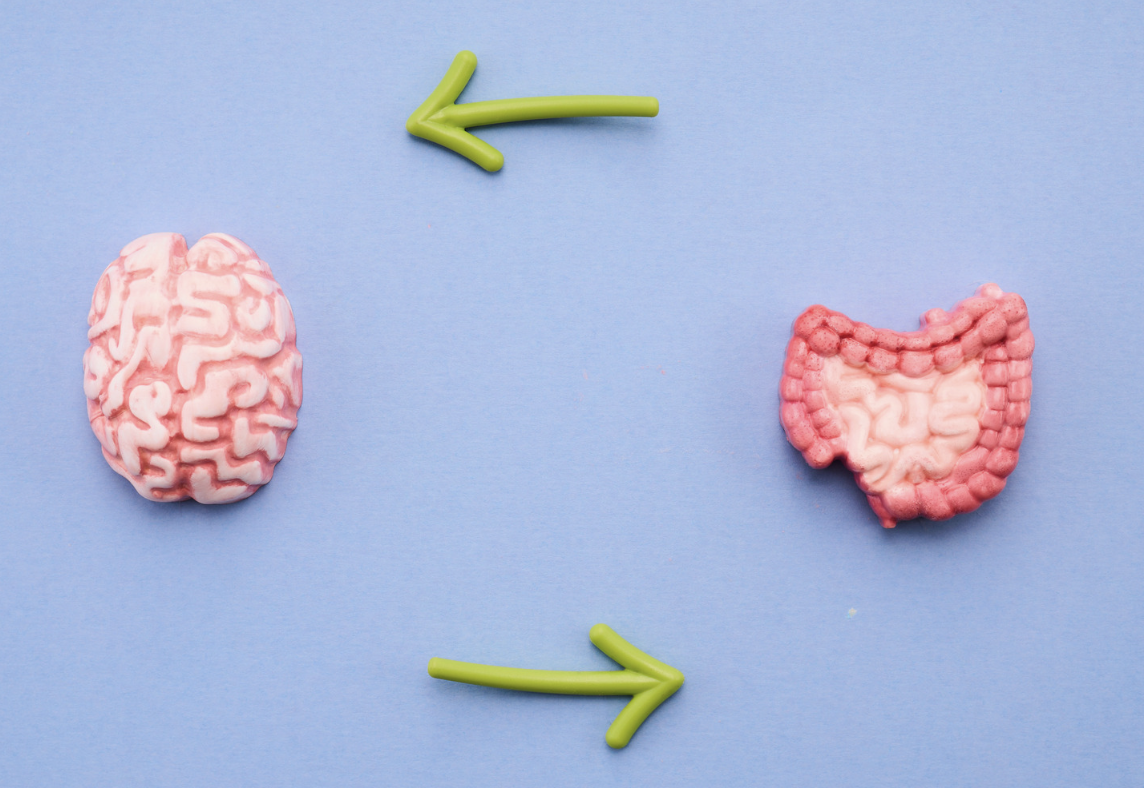
Satiety signals are not immediate. Communication between the gastrointestinal tract and brain develops over the course of a meal through gastric distension, nutrient sensing, neural signaling, and hormones such as cholecystokinin, peptide YY, and GLP-1. When food is consumed quickly, more calories can enter the body before these signals become strong enough to influence meal termination.
Recent controlled research has tested eating rate while keeping the diet highly ultra-processed. In one randomized crossover trial, researchers altered food texture to create faster- and slower-eating UPF diets. Participants consumed less energy when the foods required slower eating, even though both dietary periods consisted predominantly of UPFs. This suggests that ultra-processing may not inevitably cause overeating. The physical properties created by processing particularly texture and eating rate may be critical.
Practical signs of a rapidly consumed food include:
- Minimal chewing
- High calories per bite
- Easy consumption while distracted
- Liquid or semiliquid calories
- Rapid disappearance in the mouth
- Limited texture variation
- Little preparation or portioning required
The concern may therefore be less about whether a food came from a factory and more about how its structure influences the speed and amount consumed.
Energy Density: More Calories in Less Food
Energy density refers to the number of calories contained in a given weight of food. Foods with high water and fiber content, such as vegetables, fruit, soups, and many legumes, generally have lower energy density. Foods high in fat or low in water tend to be more energy-dense.
Many UPFs combine:
- Refined starches
- Added fats
- Added sugars
- Low water content
- Limited intact fiber
This creates products that provide substantial calories in a relatively small volume. A person can consume a large amount of energy before the stomach has experienced the physical volume associated with fullness. Energy density may partly explain why minimally processed diets often produce lower voluntary calorie intake. Minimally processed foods typically contain more water, intact fiber, and cellular structure. They occupy more volume, require more chewing, and may promote fullness with fewer calories.
However, not every UPF is highly energy-dense. Diet beverages may contain little or no energy, while olive oil, nuts, and cheese can be energy-dense without being classified as ultra-processed. Energy density is therefore an important mechanism, but it does not perfectly overlap with the NOVA system.
Palatability and the Drive to Continue Eating
Palatability describes how pleasurable a food is to eat. Highly palatable foods may encourage continued consumption beyond physiological hunger. Many commercial products combine refined carbohydrates, fat, sodium, sweetness, flavors, and textures in ways that rarely occur naturally. These combinations can strengthen reward responses and make stopping more difficult.
However, palatability is challenging to define and measure. A food can be delicious without being ultra-processed, and personal preference varies considerably. In the NIH controlled-feeding study, participants rated the ultra-processed and unprocessed diets as similarly pleasant yet consumed substantially more calories during the UPF phase. This suggests that conscious enjoyment alone may not explain overeating. Eating rate, energy density, portion size, texture, and the ease of consumption may influence intake even when people do not report greater liking.
Convenience and constant availability also matter. A product that is shelf-stable, portable, pre-portioned, and ready to eat provides more opportunities for consumption than a food requiring washing, cooking, utensils, or refrigeration. The modern problem may therefore involve not only how rewarding a product tastes but also how easily it can be obtained, eaten quickly, and consumed without interruption.
Additives: One Category, Many Different Substances
Food additives are frequently presented as the defining danger of UPFs. Yet “additive” is not one biological category.
Additives perform many functions:
- Preventing microbial growth
- Extending shelf life
- Maintaining texture
- Preventing ingredients from separating
- Replacing lost color
- Increasing sweetness
- Improving stability
- Fortifying foods with nutrients
Some additives have a long history of safe use. Others have raised questions regarding the gut microbiome, intestinal barrier, glucose regulation, or long-term disease risk. Emulsifiers such as carboxymethylcellulose and polysorbate 80 have produced adverse effects on the microbiome and intestinal inflammation in animal models. A small controlled human-feeding study found that carboxymethylcellulose altered gut microbial composition and reduced microbial diversity in some participants. The study was short and small, so its findings require replication.
Non-nutritive sweeteners also produce variable results. Different compounds should not be treated as interchangeable, and responses may depend on dose, habitual intake, baseline microbiota, and the food in which they are consumed. Observational studies have linked exposure to certain emulsifiers, sweeteners, preservatives, and mixtures of additives with type 2 diabetes, cardiovascular disease, or cancer. These findings generate important hypotheses but cannot, by themselves, demonstrate causality.
It is scientifically inaccurate to assume that all approved additives are harmful. It is equally premature to assume that current safety assessments fully capture the effects of lifelong exposure, interactions among multiple additives, or microbiome-mediated outcomes. Additives should be investigated individually, at realistic exposure levels, and in combinations that reflect actual diets.
Nutrient Displacement May Be as Important as Direct Harm
A food does not need to exert a unique toxic effect to reduce dietary quality. It can also cause harm by displacing foods that provide greater nutritional value. A snack cake may replace fruit, yogurt, nuts, or a balanced meal. A sweetened beverage may replace water or milk. A packaged refined snack may replace legumes, vegetables, or whole grains.
As UPF intake rises, diets commonly contain less:
- Dietary fiber
- Potassium
- Magnesium
- Iron
- Folate
- Vitamin C
- High-quality protein
- Unsaturated fatty acids
- Protective phytochemicals
At the same time, intake of added sugars, refined starches, sodium, and total energy may increase. This nutrient displacement can influence cardiometabolic health, digestive function, the microbiome, bone health, and overall nutritional adequacy—even if no single ingredient is uniquely harmful. The relevant comparison is therefore not simply “UPF versus no food.” It is “UPF versus the food that could have been eaten instead.”
Why Classification Systems Have Limitations
NOVA has been valuable because it shifted nutrition science beyond an exclusive focus on individual nutrients. It drew attention to food structure, industrial formulation, corporate food environments, and patterns of consumption. However, it also has significant limitations.
Classification can be subjective
Researchers and consumers do not always agree on whether a food belongs in the processed or ultra-processed category. Ingredient information may be incomplete, preparation methods may be unknown, and the same basic food can fall into different categories depending on its formulation. A 2025 systematic review identified six classification systems for highly processed foods and found considerable differences in their criteria. None clearly specified all relevant processing techniques, and only some included quantitative measures of nutritional quality.[7]
NOVA does not directly score nutritional quality
- The system focuses on processing and formulation rather than nutrient content. Consequently, a fiber-rich fortified bread may be placed in the same category as candy or a sugar-sweetened beverage.
The category is extremely broad
- The biological effect of a packaged whole-grain bread is unlikely to be identical to that of a soft drink, processed meat, or confectionery product. Treating all UPFs as equally harmful can hide meaningful differences between subgroups.
Processing intensity is difficult to quantify
- NOVA categorizes foods but does not provide a continuous measurement of how extensively the food matrix has been altered.
Dietary records were not designed for NOVA
- Many epidemiological studies classify foods retrospectively using food-frequency questionnaires that were originally developed to measure nutrients rather than processing. This can introduce misclassification.
The system can confuse convenience with harm
- Some UPFs can be nutritionally useful, especially for people with limited time, cooking facilities, appetite, mobility, or food access. Fortified cereals, whole-grain breads, plant-based alternatives, and medically formulated products may help meet nutritional needs.
- These limitations do not invalidate NOVA, but they mean that it should be interpreted as a population-level research tool rather than a perfect measure of the health value of every product.
Processing Is Not the Only Question We Should Ask
Instead of relying on one label, a more informative evaluation asks several questions:
- Is the food high in energy relative to its volume?
- Does it require meaningful chewing?
- Can it be consumed extremely quickly?
- Does it contain intact or added fiber?
- Does it provide protein, vitamins, and minerals?
- Is it high in added sugar, sodium, or saturated fat?
- Does it contain ingredients being consumed in unusually high amounts?
- Is the portion size appropriate?
- Does it replace a more nutrient-dense food?
- Is it eaten occasionally or does it dominate the diet?
- Does it support or undermine the person’s nutritional needs?
A packaged food should not automatically be considered unhealthy, just as a minimally processed food is not automatically appropriate in unlimited amounts. Butter, salt, red meat, and fruit juice may be minimally processed or processed, but their health effects still depend on amount, context, and the overall dietary pattern.
A More Useful Way to Think About UPFs
The current evidence supports reducing diets dominated by products that are rapidly consumed, energy-dense, low in fiber, nutrient-poor, and easy to overeat. It also supports increasing foods with intact structure and greater nutritional density.
That may mean emphasizing:
- Vegetables and fruit
- Beans, peas, and lentils
- Intact or minimally processed whole grains
- Nuts and seeds
- Eggs
- Fish
- Plain or lightly sweetened dairy
- Lean meat and poultry
- Minimally processed plant proteins
- Water and unsweetened beverages
When packaged foods are used, consumers can evaluate nutritional quality rather than relying only on the number of ingredients. A product containing several ingredients may still provide protein, fiber, and essential nutrients. Conversely, a product with only a few ingredients may still be high in sodium, sugar, or saturated fat.
The Real Problem May Be a Cluster of Food Properties
Scientific evidence increasingly suggests that the health effects of UPF-rich diets may arise from a cluster of characteristics:
- Altered food structure
- Rapid eating
- High energy density
- Low satiety per calorie
- Highly rewarding nutrient combinations
- Large portions
- Convenient, continuous availability
- Nutrient displacement
- Reduced dietary variety
- Exposure to certain additives or additive combinations
- Social and commercial environments that encourage frequent consumption
Processing helps create many of these properties, but the word “processing” alone does not identify which mechanism is operating. The food matrix may be one of the central links connecting processing to eating behavior and metabolism. By changing texture, structure, water content, and nutrient accessibility, industrial processing can influence how quickly a food is eaten, how rapidly it is digested, and how much is consumed before fullness develops.
The Future of UPF Research
Future studies must move beyond asking whether UPFs as one broad category are harmful. Researchers need to identify which food properties, product subgroups, processing techniques, and additives drive specific outcomes.
Important research priorities include:
- Longer randomized controlled feeding trials
- Trials separating processing from nutrient composition
- Direct manipulation of texture and eating rate
- Evaluation of individual additives and realistic additive mixtures
- Standardized methods for classifying foods
- Better measurement of food-matrix disruption
- Studies examining differences among UPF subgroups
- Research in children, older adults, and diverse populations
- Consideration of food affordability, access, and convenience
- Outcomes beyond body weight, including microbiome, metabolic, cardiovascular, and neurological measures
The evidence already supports limiting dietary patterns dominated by soft drinks, confectionery products, processed meats, refined snacks, and other foods high in energy while low in nutritional value. But the science does not support treating every packaged, fortified, or industrially produced food as biologically equivalent. The better question is not simply, “Is this food processed?” It is, “What did processing do to this food—and how does that change the way it is eaten, digested, and incorporated into the total diet?”
Disclaimer: This article is intended for scientific and educational purposes only. It does not provide individualized medical or nutritional advice. Dietary needs vary according to age, health status, food access, allergies, medical conditions, and individual nutritional requirements.
References
Chassaing, B., Compher, C., Bonhomme, B., Liu, Q., Tian, Y., Walters, W., Nessel, L., Delaroque, C., Hao, F., Gershuni, V., Chau, L., Ni, J., Bewtra, M., Albenberg, L., Bretin, A., McKeever, L., Ley, R. E., Patterson, A. D., Wu, G. D., Gewirtz, A. T., … Lewis, J. D. (2022). Randomized Controlled-Feeding Study of Dietary Emulsifier Carboxymethylcellulose Reveals Detrimental Impacts on the Gut Microbiota and Metabolome. Gastroenterology, 162(3), 743–756. https://doi.org/10.1053/j.gastro.2021.11.006
Dicken, S. J., Jassil, F. C., Brown, A., Kalis, M., Stanley, C., Ranson, C., Ruwona, T., Qamar, S., Buck, C., Mallik, R., Hamid, N., Bird, J. M., Brown, A., Norton, B., Gandini Wheeler-Kingshott, C. A. M., Hamer, M., van Tulleken, C., Hall, K. D., Fisher, A., . . . Batterham, R. L. (2025). Ultraprocessed or minimally processed diets following healthy dietary guidelines on weight and cardiometabolic health: A randomized, crossover trial. Nature Medicine, 31, 3297–3308. https://doi.org/10.1038/s41591-025-03842-0
Forde, C. G., Heuven, L. A. J., van Bruinessen, M., Liu, Z., Stieger, M., de Graaf, K., & Lasschuijt, M. P. (2026). Eating rate has sustained effects on energy intake from ultraprocessed diets: A 2-week ad libitum dietary randomized controlled crossover trial. The American Journal of Clinical Nutrition, 123(4), Article 101122. https://doi.org/10.1016/j.ajcnut.2025.11.012
Hall, K. D., Ayuketah, A., Brychta, R., Cai, H., Cassimatis, T., Chen, K. Y., Chung, S. T., Costa, E., Courville, A., Darcey, V., Fletcher, L. A., Forde, C. G., Gharib, A. M., Guo, J., Howard, R., Joseph, P. V., McGehee, S., Ouwerkerk, R., Raisinger, K., . . . Zhou, M. (2019). Ultra-processed diets cause excess calorie intake and weight gain: An inpatient randomized controlled trial of ad libitum food intake. Cell Metabolism, 30(1), 67–77.e3. https://doi.org/10.1016/j.cmet.2019.05.008
Hamano, S., Sawada, M., Aihara, M., Sakurai, Y., Sekine, R., Usami, S., Kubota, N., & Yamauchi, T. (2024). Ultra-processed foods cause weight gain and increased energy intake associated with reduced chewing frequency: A randomized, open-label, crossover study. Diabetes, obesity & metabolism, 26(11), 5431–5443. https://doi.org/10.1111/dom.15922
Lane, M. M., Gamage, E., Du, S., Ashtree, D. N., McGuinness, A. J., Gauci, S., Baker, P., Lawrence, M., Rebholz, C. M., Srour, B., Touvier, M., Jacka, F. N., O’Neil, A., Segasby, T., & Marx, W. (2024). Ultra-processed food exposure and adverse health outcomes: Umbrella review of epidemiological meta-analyses. BMJ, 384, e077310. https://doi.org/10.1136/bmj-2023-077310
Medin, A. C., Gulowsen, S. R., Groufh-Jacobsen, S., Berget, I., Grini, I. S., & Varela, P. (2025). Definitions of ultra-processed foods beyond NOVA: a systematic review and evaluation. Food & nutrition research, 69, 10.29219/fnr.v69.12217. https://doi.org/10.29219/fnr.v69.12217
Monteiro, C. A., Cannon, G., Lawrence, M., Costa Louzada, M. L., & Pereira Machado, P. (2019). Ultra-processed foods, diet quality, and health using the NOVA classification system. Food and Agriculture Organization of the United Nations. https://openknowledge.fao.org/server/api/core/bitstreams/5277b379-0acb-4d97-a6a3-602774104629/content
Scientific Advisory Committee on Nutrition. (2025, April 2). Processed foods and health: SACN’s rapid evidence update summary. GOV.UK. https://www.gov.uk/government/publications/processed-foods-and-health-sacns-rapid-evidence-update/processed-foods-and-health-sacns-rapid-evidence-update-summary